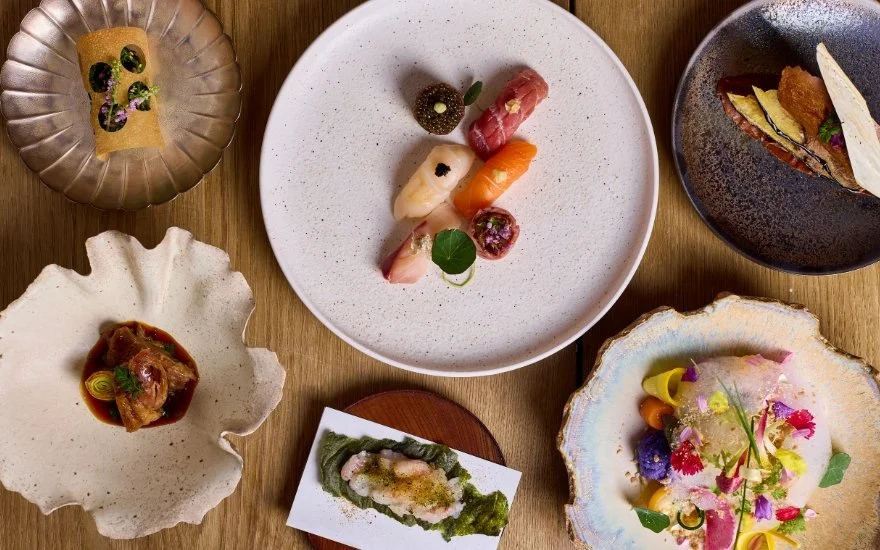
Is Roketsu Setting a New Standard for Japanese Dining in London?

Roketsu Restaurant The Three Drinkers Aidy Smith

Marylebone has no shortage of polished dining rooms, yet Roketsu 2.0 steps back onto New Quebec Street with a confidence that feels unusually quiet. The relaunch isn’t chasing hype or theatrics. Instead, the restaurant leans into something far more interesting: the belief that London is ready for a different way of eating Japanese food, one shaped less by format and more by feeling.

Kappo dining has always lived in the space between chef and guest, but Roketsu reframes the idea with a distinctly London ease. Take your seat at the newly extended seven-metre hinoki counter and the mood shifts. It’s calm, intimate, almost disarmingly so. It’s personal without the performance, refined without the rigidity. And that alone feels like a step forward for London dining.

What makes kappo feel different at Roketsu?
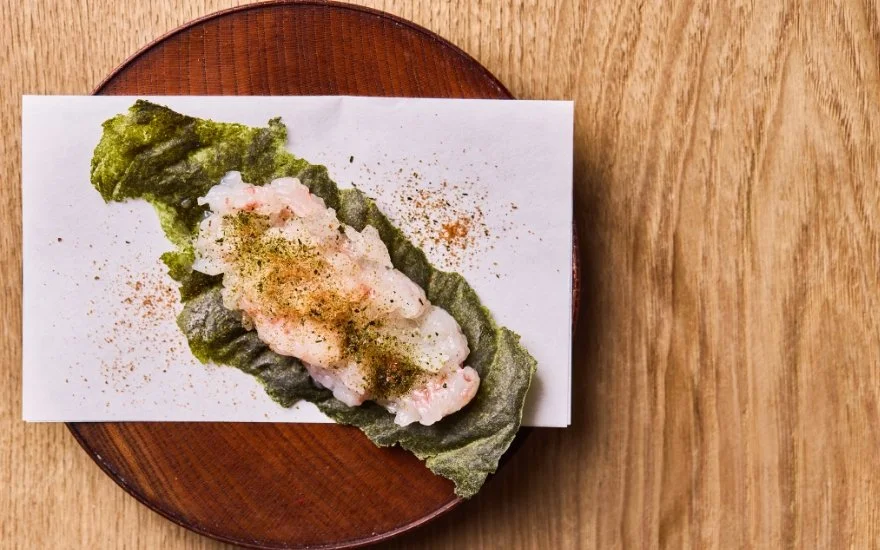
Botanebi Tartar Roketsu Restaurant The Three Drinkers Aidy Smith

Botanebi Tartar

Many restaurants claim to be guest-led, but Roketsu actually hands over the reins. There’s no prescribed journey, no predetermined theatrical arc. Instead, you create a rhythm that suits your appetite, your mood, even the tempo of your evening.

In a city where tasting menus often run like marathons, this looseness feels liberating. You’re part of the dinner rather than an observer of it.

What stands out on the new menu?
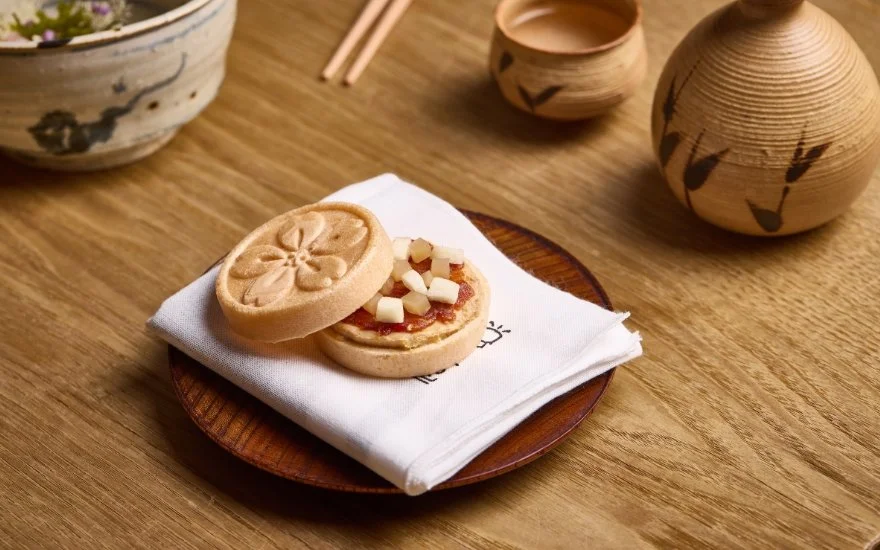
Miso Monaka Roketsu Restaurant The Three Drinkers Aidy Smith

Miso Monaka

Roketsu has restructured its offering into simple categories, raw, grilled, sushi, tempura, giving diners the freedom to build momentum or slow things down.

Start light: Ten-day miso-marinated foie gras tucked inside crisp monaka wafers, or the warm Cornish Crab Chawanmushi that lands like a quiet exhale.

Go bright: Yellowtail lifted with yuzu, trout smoked over wara with a whisper of sweetness, and that otoro tartare gunkan topped with caviar, an indulgent pause in the middle of the meal.

Build depth: The grill brings drama without shouting. Fish and meat cooked over bincho charcoal and straw fire arrive with that unmistakable smoky warmth. The Cornish white fish with nori sauce feels deeply savoury; the Wagyu with yuzu oroshi is soft, confident, and quietly extravagant.

Thanks to Roketsu’s close links with Cornish fishermen and Japanese producers, the clarity of flavour shows. Simple plates, yes, but layered in a way that rewards slow eating.

How does the space shape the experience?
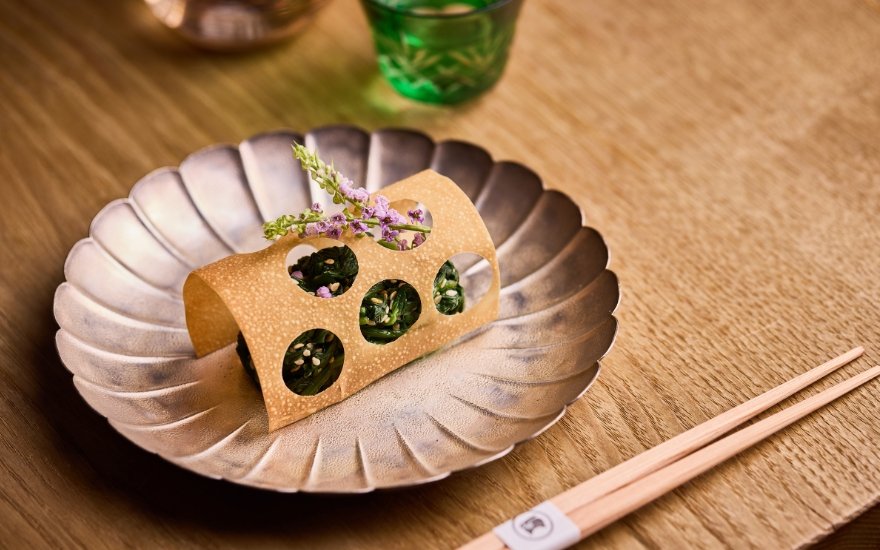
Spinach Goma-ae Roketsu Restaurant The Three Drinkers Aidy Smith

Spinach Goma-ae

The redesign is understated but intentional. Kyoto master builder Sotoji Nakamura’s sukiya influence runs through the room: hinoki, cedar and chestnut quietly grounding the space. Nothing feels decorative for decoration’s sake.

The counter puts you close to the craft. The downstairs room loosens the atmosphere, perfect for longer, more social dinners. And the private room for eight offers discretion without sterility.

It’s warm. It’s calm. It’s the kind of space that encourages you to let the evening take its time.

Why do the drinks matter here?
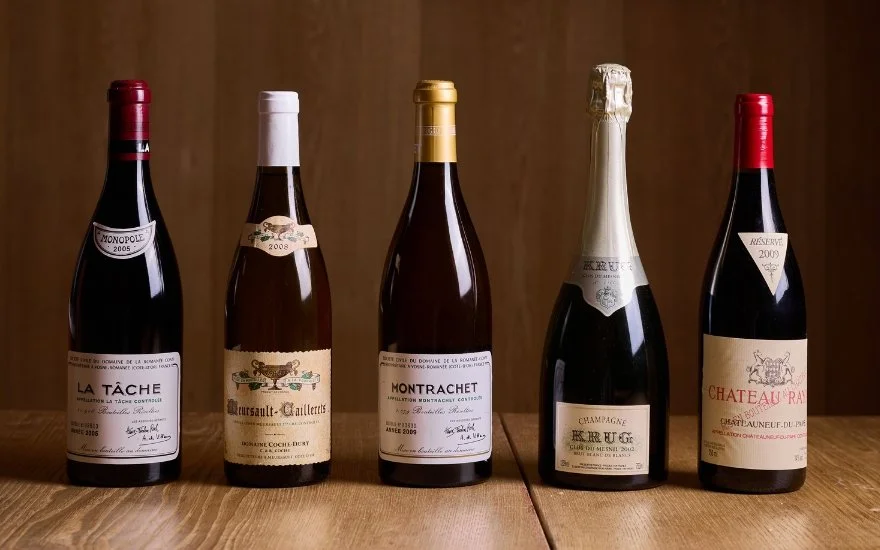
Roketsu Restaurant The Three Drinkers Aidy Smith

Roketsu’s cellar reads like a love letter to great producers: Burgundy icons, a vertical of Mouton-Rothschild spanning decades, and a Champagne list that swings from the grandes maisons to the growers rewriting the rules.

Then there’s the sake collection: 47 prefectures represented, each bottle selected with intent. The team guides gently, tailoring pairings to whatever direction you’ve chosen to take the menu.

So, can a restaurant really change the way London eats Japanese food?

Roketsu isn’t trying to create a trend. It’s trying to create a shift, one that prioritises dialogue, instinct and trust. The food is clean and precise, the service unfussy, the experience shaped in real time rather than locked into script.

In a city that too often defaults to performance, Roketsu 2.0 offers something rarer: a dining style that listens.

Reservations now open at roketsu.co.uk.
Address: 12 New Quebec St, London W1H 7RW
Why Napa's Most Dramatic Wines Come From a Forgotten Mountain

La Jota The Three Drinkers Aidy Smith

Photo Credit: La Jota Vineyard Co. Official Site

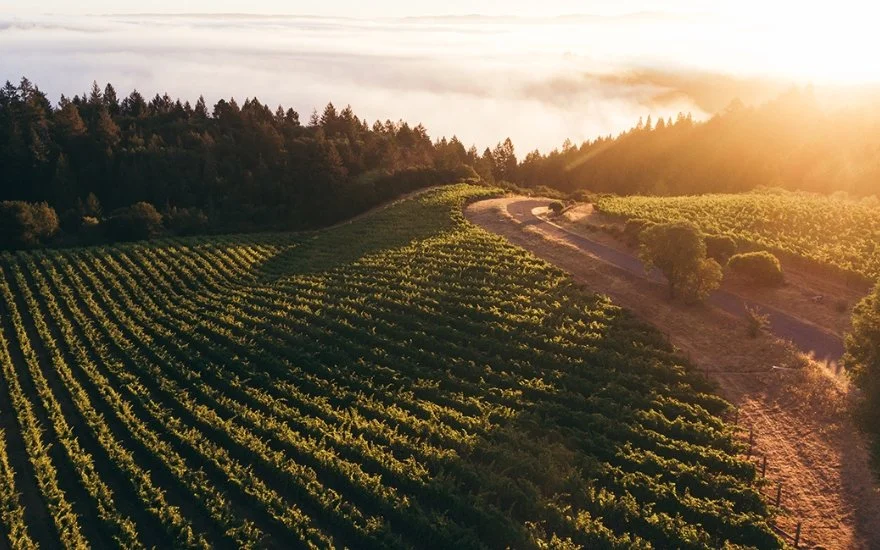
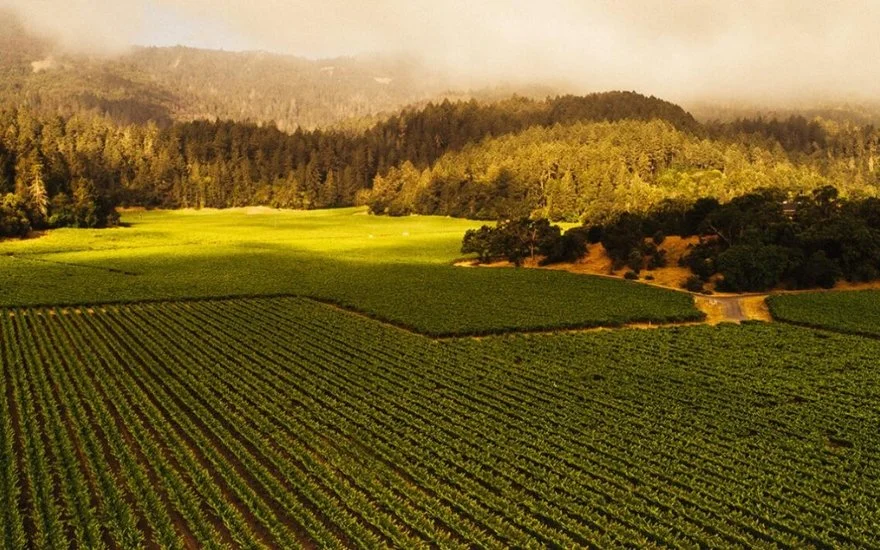
The road narrows as you climb. One moment you're in postcard Napa, the next you're winding through forest, the air cooling with each switchback. By the time you reach La Jota Vineyard Co., perched at 1,800 feet on Howell Mountain, you've entered a different world entirely.

This is where Napa keeps its secrets. Not the ones splashed across wine magazines, but the kind whispered between winemakers late at night: that the most compelling wines often come from the places tourists rarely see. The wines made here taste like the mountain itself, concentrated, powerful, uncompromising.

What happens when you leave the famous valley behind?

La Jota The Three Drinkers Aidy Smith

Photo Credit: La Jota Vineyard Co. Official Site

Cross above 1,400 feet and you're suddenly above the fog line that blankets the valley floor on summer mornings. Those extra hours of sunlight each day transform how grapes ripen. Cool mountain air sweeps up the gorge at night, preserving the acidity that keeps these powerful wines balanced and alive.

Valley floor Cabernets are lush and opulent. Mountain wines offer something more: darker fruit, crystalline minerality, a core of energy that makes you pay attention. The valley delivers immediate pleasure. The mountain rewards patience with deeper complexity.

Why do winemakers call this place "the challenge"?

The soils here are either crumbly white volcanic ash or rust-red clay studded with rock. They're demanding, yes, but that's what creates greatness. When vines have to work for their sustenance, they produce something extraordinary. The berries stay small, the clusters tighten, and all that focused energy goes into developing intense, layered flavors.

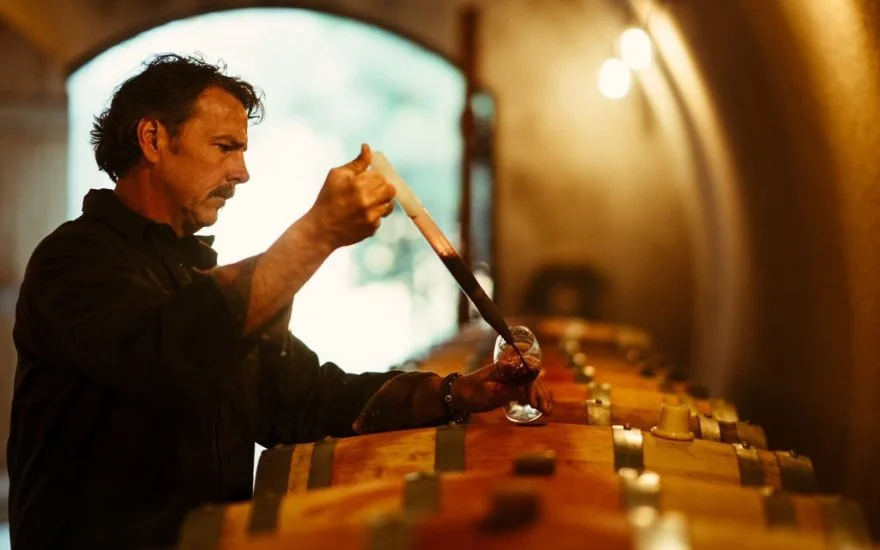
Winemaker Christopher Carpenter sees his role as a curator of mountain character. "The mountain does most of the work," he says. Throughout harvest, fermentation, and aging, he's refining the naturally powerful tannins while preserving what makes these wines unmistakably special: that perfect balance between intensity and elegance.

What does a wine taste like when it's made from treasured heritage vines?

La Jota The Three Drinkers Aidy Smith

Photo Credit: La Jota Vineyard Co. Official Site

There's a remarkable block of Cabernet Franc vines near the original 1898 stone winery. Planted in 1976 on St. George rootstock, these vines have thrived for nearly 50 years, producing fruit that Carpenter vinifies separately into one of the most sought-after Cabernet Francs in the valley.

Heritage vines bring something exceptional to the glass. Their roots reach deep into the mountain, accessing minerals and nuance that younger vines haven't yet discovered. The wine tastes like pure expression: strawberry and rose petal on the nose, then blueberry, green tea, white pepper on the palate. But it's the luminous minerality that defines it, that bright line of stone and earth that makes every wine here instantly recognizable.

The Howell Mountain Cabernet Sauvignon blends estate fruit with grapes from the historic W.S. Keyes Vineyard. There's anise and blackberry, sage and mocha toast, but underneath it all runs that signature mineral thread. It's a wine that reveals itself generously in the glass, each sip offering new dimensions and discoveries.

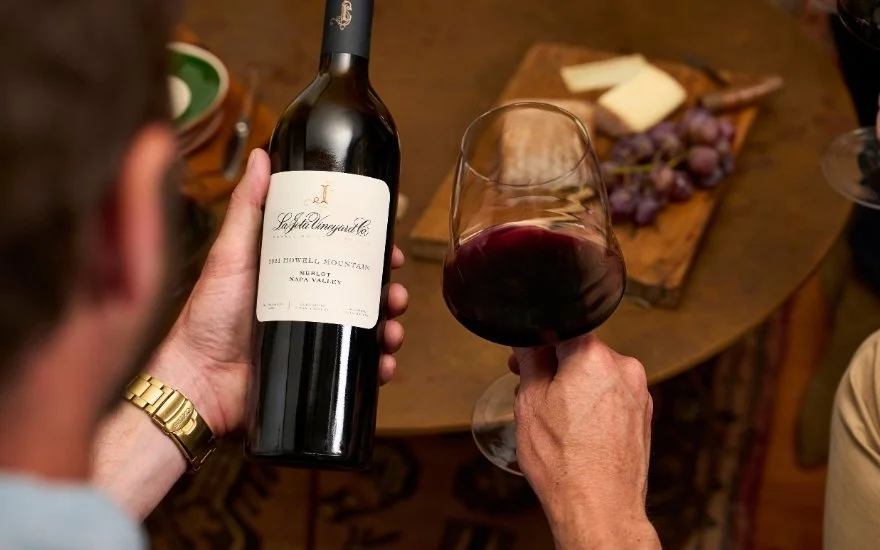
The Merlot is a standout achievement. Carpenter believes the elevation and extended hang time make this one of Napa's premier sites for the variety, and the wine delivers on that promise: Chambord and black cherry, chocolate and Asian spice, with a luxurious texture and a finish that lingers beautifully. The W.S. Keyes Merlot, from vines planted in 1986, adds even more depth with notes of espresso bean and kirsch.

Can a place this remote feel like discovering something rare?

La Jota The Three Drinkers Aidy Smith

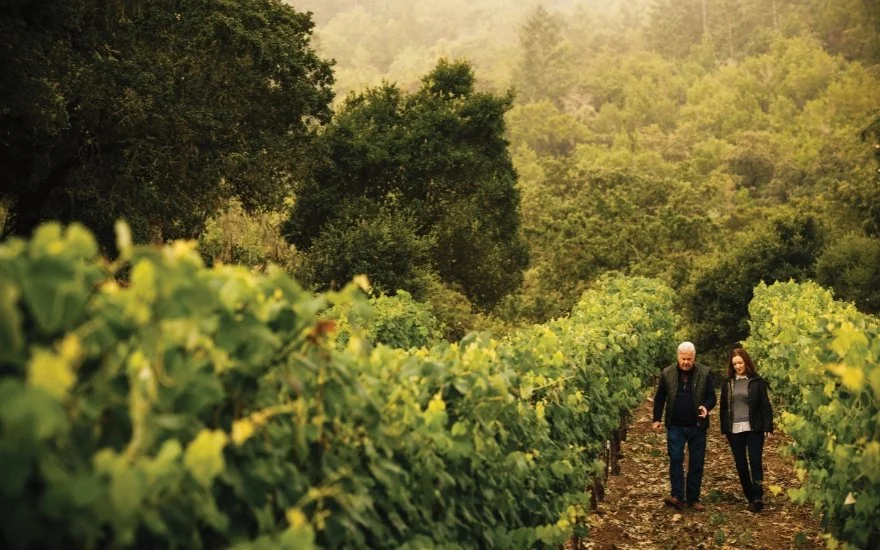
With just 28 acres of estate vineyards, La Jota crafts wine with the precision and care of a master artisan. Carpenter knows these vines intimately, walking them constantly, tasting grapes, tracking ripeness row by row, waiting for that perfect moment when everything aligns.

The wines age in carefully selected French oak for 22 months, hand-racked five times to develop complexity and refine structure. The finest blocks destined for W.S. Keyes Merlot see 85% new oak. Nothing is fined or filtered. What you taste in the bottle is pure mountain expression: sweet herb, mineral, spice, red fruit, all balanced with vibrant acidity.

These are wines for the moments that matter, for celebrations worth remembering, conversations that stretch late into the evening, bottles that will only get better with time.

Driving back down the mountain, something stays with you. Maybe it's the taste of that Cabernet Franc, or the realization that Napa's most exceptional stories often come from its quieter corners. La Jota has been here since 1898, thriving through every challenge, every shift in fashion. It doesn't need to announce itself. The wines speak with clarity and confidence.

The dramatic wines come from up here not despite the challenge, but because of it. That's what makes them unforgettable. And worth the climb to discover.

To know more, lajotavineyardco.com.

Gran Moraine: Where Oregon’s Pinot Noir and Chardonnay Reach Their Quiet Power

Gran Moraine The Three Drinkers Aidy Smith

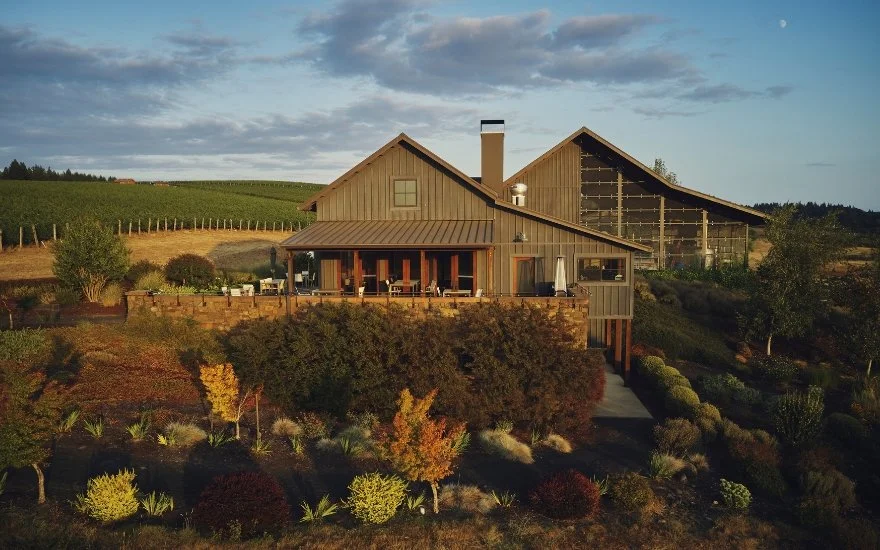
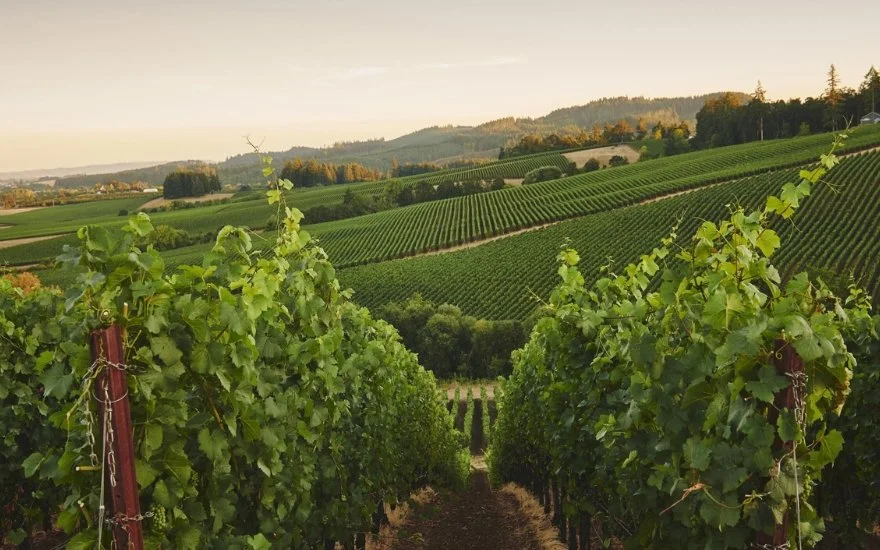
Gran Moraine sits at the far western edge of the Yamhill-Carlton AVA, where the hills begin to fold into the Coast Range and the forest presses close to the vineyard rows. This is a corner of Oregon where the climate is both temperate and precise: cool nights follow warm days, fog drifts predictably, and the soil, rich in sedimentary and volcanic layers, offers a complex foundation for vines to take root.

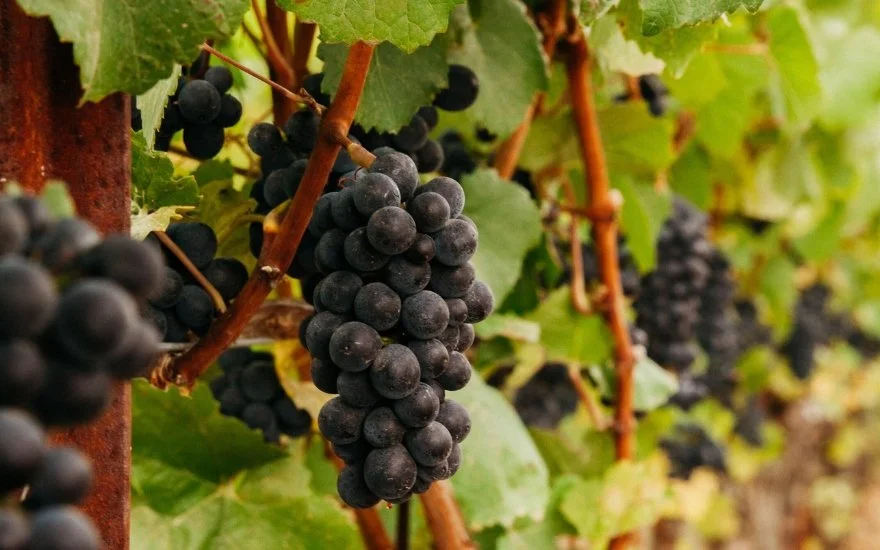
It’s this combination of climate, soil, and slope that gives Gran Moraine its quiet strength. The conditions are challenging enough to demand attention but forgiving enough to allow the vines to express themselves naturally. Walking through the vineyard, it’s clear why wines here develop with such balance: each grape matures at its own pace, shaped by the land rather than rushed by it.

How does Shane Moore translate terroir into emotion?

Gran Moraine The Three Drinkers Aidy Smith

Photo Credit: Gran Moraine Official Site

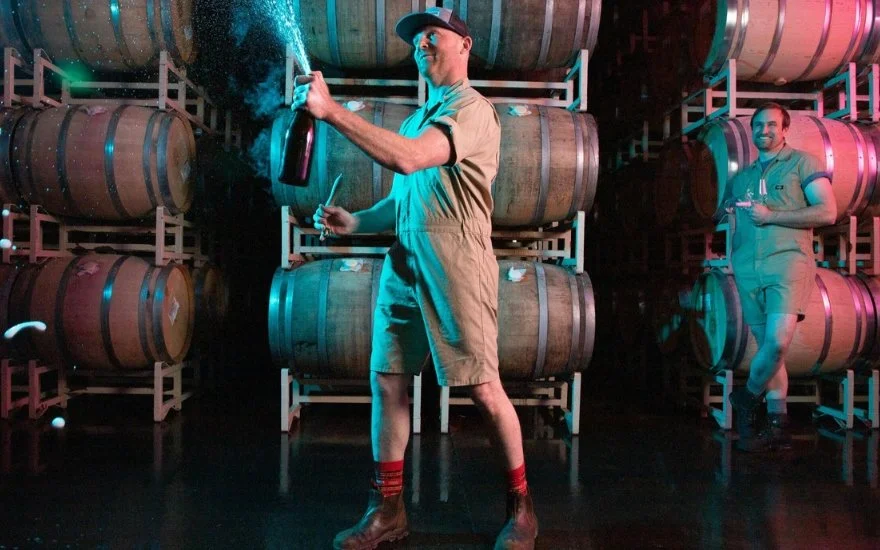
Shane Moore doesn’t make wines to impress. He listens. He studies the soil, the sun, the wind, and the subtle changes in each row. His approach is intuitive but grounded in observation. Every decision in the vineyard and the winery, from the timing of a harvest to the choice of fermentation vessel, is meant to let the place speak through the wine.

Moore’s wines are emotional without being showy. They reveal the land’s character with clarity and precision. A sip of Pinot Noir tells of gentle hills and cool mornings; a taste of Chardonnay captures the brightness of sunlight and the mineral heart of the soil. The result is a sense of connection, between the vineyard, the winemaker, and anyone who takes a moment to notice.

Why does Chardonnay take center stage at Gran Moraine?

Gran Moraine The Three Drinkers Aidy Smith

Photo Credit: Gran Moraine Official Site

While Pinot Noir is often Oregon’s flagship grape, Gran Moraine has quietly positioned Chardonnay at the heart of its story. Here, Chardonnay isn’t about heavy oak or bold textures; it’s about clarity, tension, and nuance. The grape thrives in the AVA’s cool, consistent climate, producing wines that are vibrant without being overpowering, detailed without being fussy.

Chardonnay at Gran Moraine shines like early morning light on the hills. Its acidity lifts the palate, the aromatics draw you in, and the subtle fruit notes linger, revealing layers with each sip. Moore’s philosophy emphasizes restraint over opulence, allowing the grape to speak without disguise. In a region known for Pinot, this focus gives Gran Moraine a distinctive voice.

What does “restraint over opulence” actually taste like?

Gran Moraine The Three Drinkers Aidy Smith

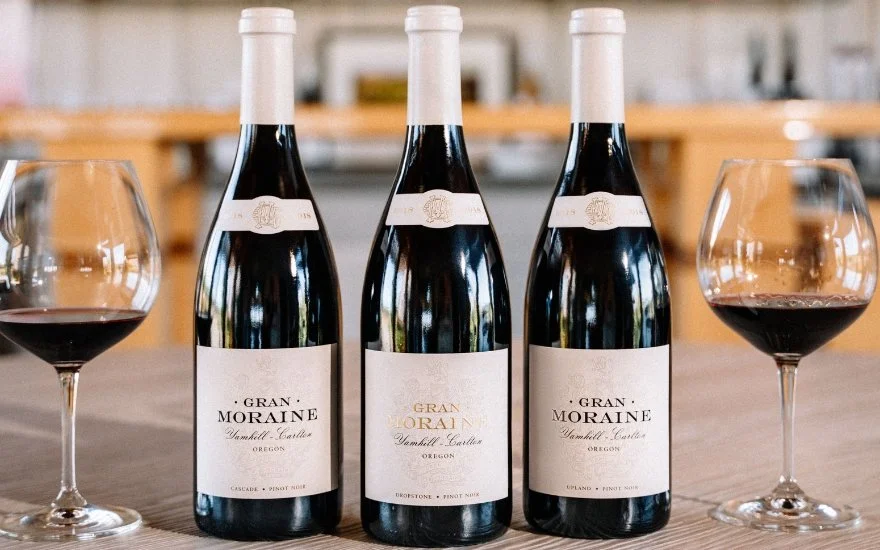
Tasting Gran Moraine wines is an exercise in noticing. There’s no immediate fireworks, no dramatic weight. Instead, there is precision: a Pinot Noir that balances red cherry and earthy undertones, a Chardonnay that offers citrus and stone fruit without excess, a texture that feels light but persistent.

Restraint here means that every element, the acid, the fruit, the finish, is in dialogue, not competing for attention. It’s a quiet confidence, a refusal to oversell, and a commitment to letting the vineyard’s natural voice emerge. Drinking these wines feels like reading a carefully written paragraph: every word matters, and the pauses between them are just as important as what is said.

How does Gran Moraine express the future of Willamette Valley wines?

Gran Moraine The Three Drinkers Aidy Smith

Photo Credit: Gran Moraine Official Site

Gran Moraine demonstrates a path forward for the region that values authenticity over trend. In a landscape where many seek boldness, this winery shows that depth, clarity, and respect for the land are equally compelling. Its focus on Chardonnay alongside Pinot Noir broadens the palette of Oregon wine, proving that elegance and emotional resonance are not mutually exclusive.

The estate’s careful vineyard work, patient winemaking, and attention to detail make each bottle a reflection of its place. Gran Moraine is part of a larger narrative: one in which Willamette Valley wines gain recognition not just for what they can show, but for what they quietly communicate about the land, the climate, and the people who steward it.

Visiting Gran Moraine is a moment to slow down, notice the details, and connect with a landscape and a philosophy that values listening as much as expression. To explore these wines and the vineyard that inspires them, visit granmoraine.com.

Freemark Abbey: Napa’s Quiet Giant of Cabernet Tradition

Freemark Abbey The Three Drinkers Aidy Smith

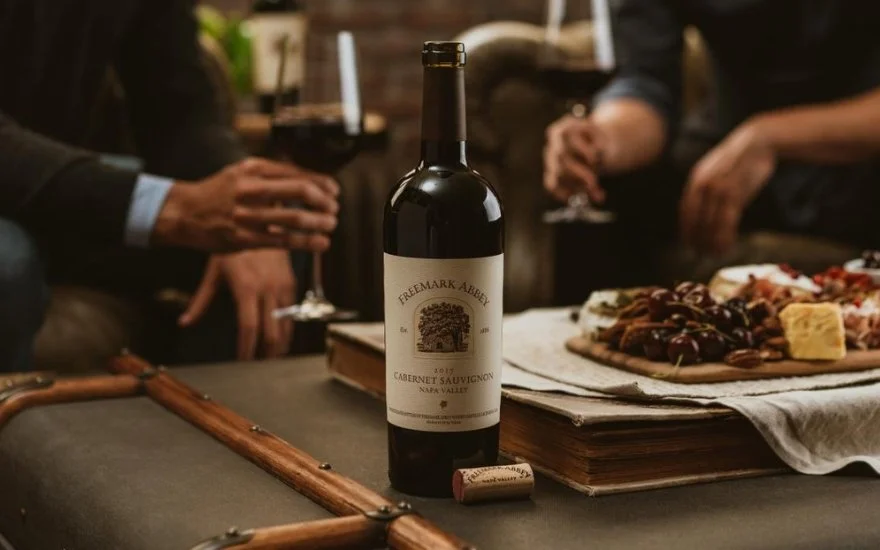
Some places feel lived-in in the best possible way. Freemark Abbey is one of those places. The stone building has been part of Napa since the 19th century, and stepping onto the property feels like entering a space that has already known many seasons, many harvests, and many conversations over wine. The estate’s history reaches back to 1886, and the through-line across all that time has been an unwavering belief in wines that are grounded in place and built to endure.

The Cabernets from Freemark Abbey have a certain composure to them, shaped by the character of the Rutherford Bench and by a style of winemaking that values depth over flash. There is an elegance that comes from patience, from letting vineyards express their natural voice. Under winemaker Kristy Melton, that philosophy remains steady, with wines that show clarity, finesse, and a quiet confidence that speaks to both heritage and intention.

What defines the soul of Freemark Abbey?

Freemark Abbey The Three Drinkers Aidy Smith

Photo Credit: Freemark Abbey Winery Official Site

Freemark Abbey is one of Napa Valley’s original Cabernet houses and it feels built on generational memory. The historic stone winery in St. Helena has the kind of presence that comes from longevity. You sense that the walls have absorbed countless vintages, and that the winery’s identity has been shaped not through reinvention but through steady, assured evolution.

Its wines reflect that continuity. They are not wines created to impress quickly or loudly, but wines that speak gently with depth and precision. Freemark Abbey has never relied on trend or novelty. Instead, it has trusted in its vineyards, its climate and a commitment to classic Napa structure.

Why does Rutherford matter so much?

Freemark Abbey The Three Drinkers Aidy Smith

Photo Credit: Freemark Abbey Winery Official Site

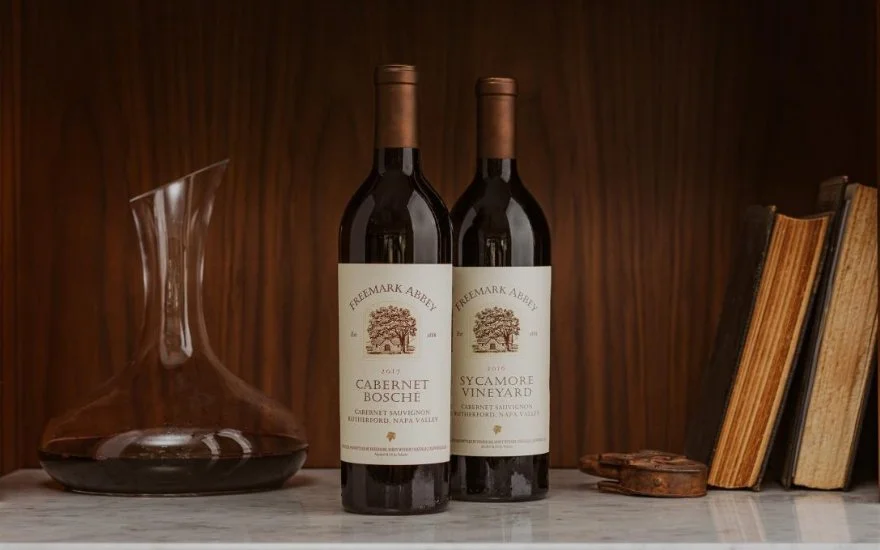
Rutherford is one of the most storied stretches of Napa soil, revered for Cabernet Sauvignon with finely grained tannins and distinctive earth-driven complexity. Freemark Abbey’s longstanding relationship with this land is central to its character. The Bosché and Sycamore vineyards are not just sources of fruit, they are expressions of place.

Year after year, the wines drawn from these vineyards carry that unmistakable Rutherford personality. It is not something that must be coaxed or crafted. It arises naturally from the soil, climate and patient farming. For many collectors, these single-vineyard bottlings are treasured precisely because they reflect a lineage of vineyard identity rather than stylistic manipulation.

Who is shaping the wines today?

Freemark Abbey The Three Drinkers Aidy Smith

Photo Credit: Freemark Abbey Winery Official Site

Winemaker Kristy Melton continues the estate’s philosophy with a thoughtful and measured approach. Her role feels less like directing the wines and more like guiding them. The Cabernet Sauvignons maintain a classical architecture, with balance and restraint, while still delivering presence and texture.

Her style is rooted in respect for vineyard clarity. Nothing feels forced. Nothing feels exaggerated. There is a confidence in letting the fruit speak in its natural register, and in trusting time to refine and harmonize the structure of the wines.

How does Freemark Abbey share its history with visitors?

Freemark Abbey The Three Drinkers Aidy Smith

Photo Credit: Freemark Abbey Winery Official Site

A visit to the estate is not merely educational but deeply atmospheric. One of its greatest treasures is the wine library, holding decades of vintages that are occasionally poured for guests. To taste one of these older bottles is to feel the passage of time in a tangible and intimate way.

Wine club members can experience the Partners’ Lounge, a space that feels welcoming and personal, ideal for lingering over library wines and small-production releases. The experience is never transactional or hurried. It invites reflection and connection.

What does a bottle of Freemark Abbey feel like?

Freemark Abbey The Three Drinkers Aidy Smith

Photo Credit: Freemark Abbey Winery Official Site

Opening a Freemark Abbey Cabernet is an experience of calm assurance. The wines are layered but not heavy, confident but not bruising, expressive but never theatrical. They invite contemplation. They pair naturally with good conversation and unhurried evenings. With time in glass and time in cellar, their depth reveals itself slowly and gracefully.

Plan your visit or explore the current releases at freemarkabbey.com.

The Grill at The Dorchester: Where London Dining Finds Its Pulse Again

The Grill at The Dorchester The Three Drinkers Aidy Smith

London has a rhythm all its own, and in the heart of Mayfair, The Grill at The Dorchester is keeping time. After nearly a century as one of the city’s most celebrated dining rooms, it has reopened with a renewed energy, marrying classic British elegance with contemporary boldness. Culinary director Martyn Nail and head chef Jacob Keen-Downs have reimagined the room without losing the soul that made it legendary.

Walking into The Grill feels like stepping into a living memory. Chandeliers shimmer over deep leather seating, and the kitchen hums as chefs assemble dishes in view of diners. It is a space built to engage every sense, with visual drama, the scent of roasting meat, the clatter of service, and yet, it never feels staged. The attention is in the details: how wine flows into glasses, how plates are presented, how each diner finds their own rhythm within the room’s energy.

Why The Grill Still Matters in London

The Grill at The Dorchester The Three Drinkers Aidy Smith

The Grill is more than a restaurant; it’s a marker of London dining itself. Across decades, it has hosted quiet breakfasts, boisterous Sunday roasts, and everything in between. Today, it retains the elegance and warmth that made it timeless while embracing the fluidity of modern dining. It’s the kind of place where the past is felt rather than displayed, a room steeped in history but alive with conversation, laughter, and the occasional clink of fine silver.

How the Menu Balances Heritage and Today

The Grill at The Dorchester The Three Drinkers Aidy Smith

The new menu respects British culinary tradition while exploring how people want to dine now. Small plates invite sharing and conversation, while familiar classics arrive with modern flair. Highlights include seafood served with a sense of theatre, meat dishes cooked with precision, and breakfasts that lift old favourites into new territory. Desserts carry a nostalgic thread: think indulgent sweets that feel comforting without being predictable. 

Each dish is a statement of craftsmanship and character, reflecting the quality of ingredients and the skill behind them.

Experiences Worth Seeking Out

The Grill at The Dorchester The Three Drinkers Aidy Smith

Certain moments define The Grill. The revival of sherry service offers a ritualized touch: a measured pour paired with olives, a chance to pause and savour rather than rush. Cocktails are distinctive yet approachable, offering inventive combinations alongside familiar favourites. 

Autumn evenings bring live jazz into the dining room, blending music and food into a single immersive experience. It’s not just dinner; it’s a sensory encounter that connects guests to the city’s culture and to the history of this space.

Why Now Is the Moment to Visit

The Grill at The Dorchester The Three Drinkers Aidy Smith

Today, The Grill feels both essential and intimate. Whether stopping by for a quick counter meal, lingering over shared plates with friends, or taking in a full Sunday roast, diners are invited into a room that celebrates engagement as much as indulgence. The combination of skillful cooking, atmospheric design, and attention to every moment ensures that a visit here is more than a meal; it’s an experience that lingers.

Returning to The Grill is like rediscovering a city through its tastes and textures. It reminds Londoners and visitors alike that dining can be theatrical without being overwhelming, luxurious without being intimidating. From the shimmer of chandeliers to the warm aromas rising from the kitchen, it is a place where history meets now, and where every meal tells a story.

Step into The Grill at The Dorchester and let it guide the evening: whether a long brunch, a leisurely lunch, or an immersive dinner with music, it’s a dining room that invites you to be present, to savour, and to return.

Address: The Dorchester, 53 Park Lane, London W1K 1QA
Website: dorchestercollection.com/london/the-dorchester/dining/the-grill-at-the-dorchester

Diatom: The Californian Chardonnay That Dares to Be Bare

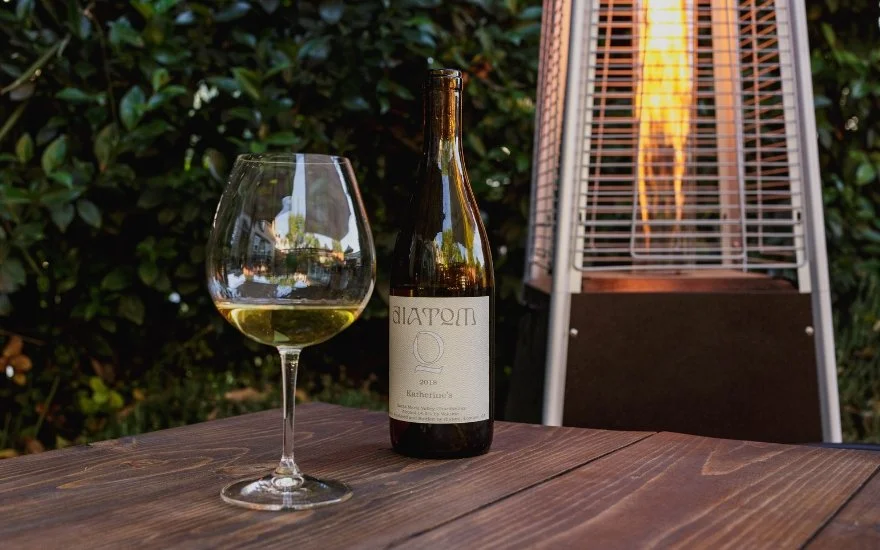
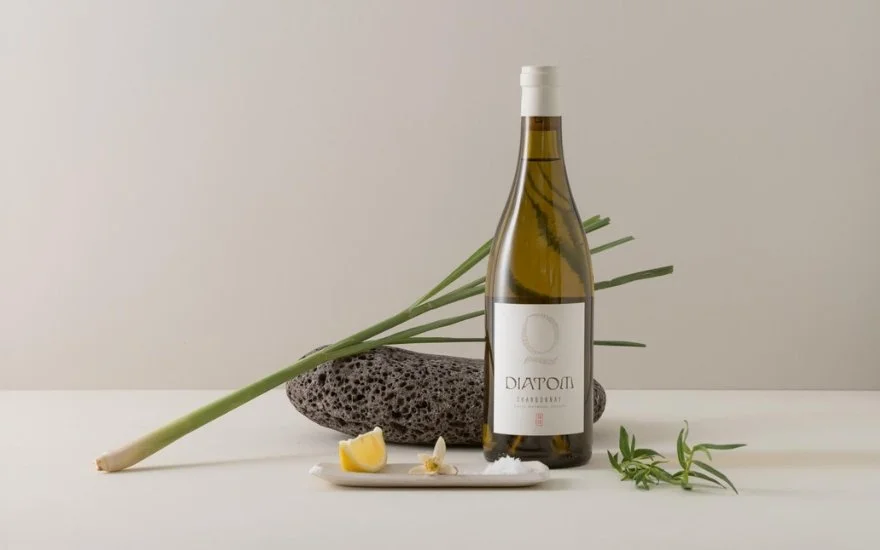
There’s a rare confidence in allowing a grape to speak in its most unfiltered voice, without oak, without creaminess, without a layer of stylization to soften its edges. Diatom was born from that confidence. This Santa Barbara project dedicates itself exclusively to Chardonnay, presenting the grape with an honesty that feels direct and elemental.

Founded in 2005 by Greg Brewer, Diatom focuses on Chardonnay that arrives with freshness and linear clarity rather than plushness. The wines carry a clean, mineral-driven character. Think cool stones, salt air, and the lift of citrus at its most restrained. It’s Chardonnay seen through a lens of purity: calm, focused, and quietly expressive.

Winemaking as Editing

Diatom The Three Drinkers Aidy Smith

Photo Credit: Brewer-Clifton/Diatom Official Site

Brewer's approach to winemaking is like editing. Rather than building layers, he removes them. No oak signatures, no buttered softness, no stylistic exaggerations. Just stainless steel, low-temperature fermentation, and a faith that the fruit itself is eloquent enough. 

He describes his philosophy as "the polishing of a grain of rice until one has reached its ultimate inner core," drawing inspiration from Japanese culinary precision. Malolactic fermentation is blocked, wines are aged in stainless steel, and bottled early to preserve freshness and tension.

The results speak for themselves. The 2022 vintage earned 92 points and landed at number 37 on Wine Spectator's Top 100 Wines of 2023. The 2023 vintage received 94 points from multiple critics, while the 2020 achieved 95 points. In 2020, Wine Enthusiast named Brewer their Winemaker of the Year. Yet remarkably, current vintages remain priced between $18 and $23, competing with bottles two to three times the price.

What role does Sta. Rita Hills play in shaping Diatom’s distinct personality?

Diatom The Three Drinkers Aidy Smith

Photo Credit: Brewer-Clifton/Diatom Official Site

This corner of Santa Barbara County is uniquely positioned for cool-climate clarity. The valleys don’t follow the typical north–south orientation; they open east to west, forming channels through which marine air pushes inland. Morning fog settles in. Afternoon wind lifts the leaves. The slow ripening keeps brightness in the grapes.

Beneath the surface, the soils are flecked with fossilized plankton and diatomaceous deposits, the remnants of oceanic history. That ancient imprint shows up subtly in the wines: the whisper of sea spray, the mineral steadiness, the sense of something coastal at the edges of flavour.

Diatom’s Chardonnay doesn’t simply come from Sta. Rita Hills; it feels inseparable from it.

Pairing and Experience

The wine's salinity and acidity make it ideal for pairing with shellfish, pork, poultry, and vegetarian dishes. Its mineral-driven profile particularly complements spicy or coastal cuisine, where the wine's brightness cuts through richness while echoing the flavors of the sea.

Why does Diatom resonate with those seeking authenticity over exhibition?

Diatom The Three Drinkers Aidy Smith

Photo Credit: Brewer-Clifton/Diatom Official Site

There’s a shift happening in wine drinkers, away from spectacle and toward sincerity. Diatom meets that craving with an experience that feels thoughtful, not flashy. Its beauty unfolds gradually: the way the acidity lifts, the minerality lingers, the finish clears the palate rather than coating it.

Those drawn to transparency, in flavour, in intention, in place, find something to return to here.

Those curious to explore this bare-truth expression of Chardonnay can discover Diatom directly at their site and consider tasting the wine within its own landscape, where ocean wind, cool light, and vineyard silence play a part in the final flavour.

Copain Wines: Where Restraint Became Character

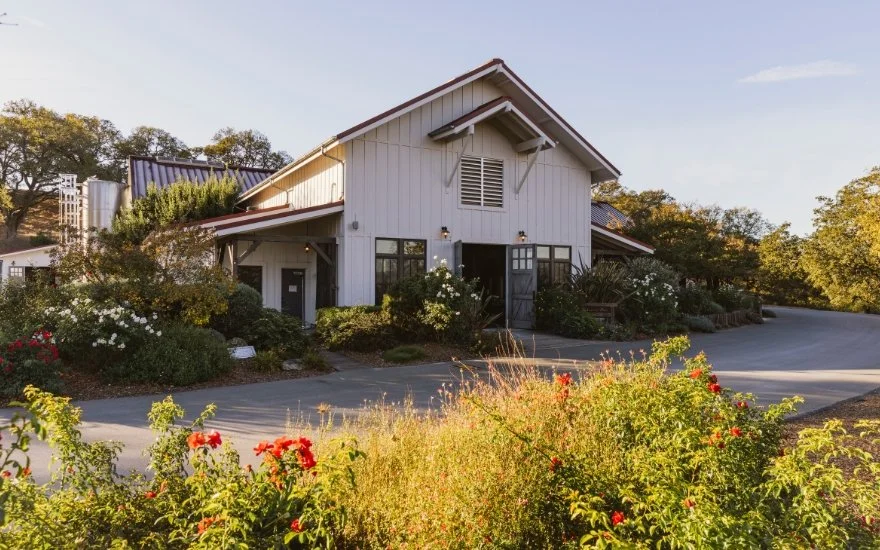
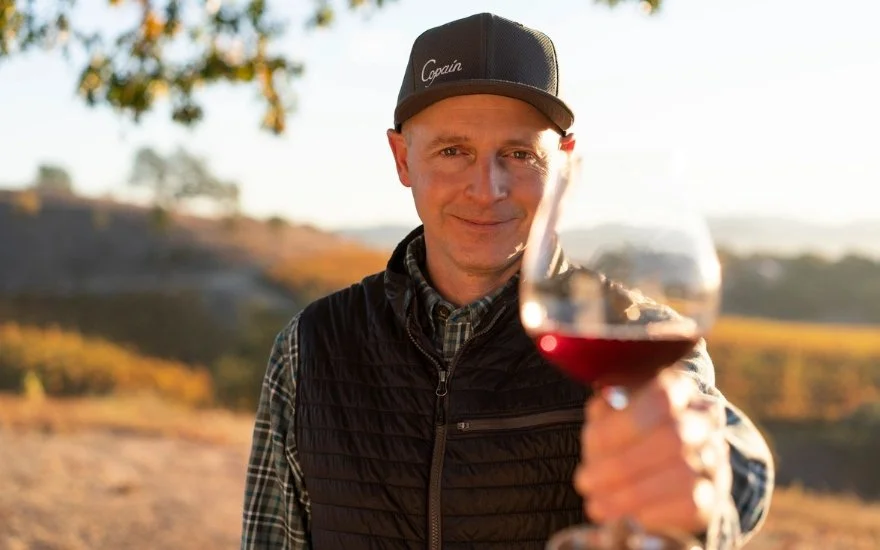
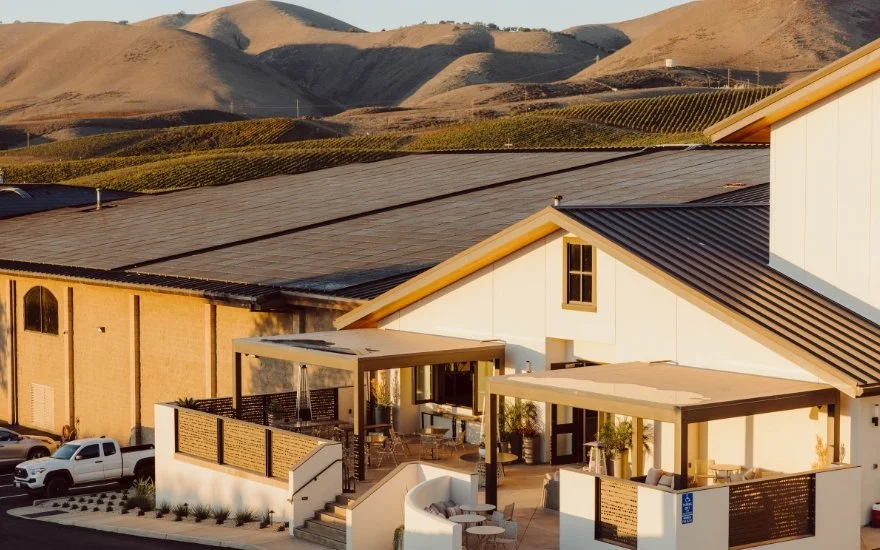
Just outside downtown Healdsburg, Copain sits quietly on a hillside that looks out over the Russian River Valley. There’s no architectural spectacle or dramatic arrival. Instead, there’s space, open sky, and the rhythmic arrival of fog from the Pacific. It sets the mood for the wines themselves: calm, composed, and guided by intention rather than intensity.

The name Copain, meaning friend or companion in French, reflects the founding ethos. Wells Guthrie started the winery in 1999 after time in Burgundy and the Rhône, carrying back an understanding that the most memorable wines don’t shout. They invite. They evolve. They elevate food rather than overpower it. Today, under winemaker Ryan Zepaltas, that philosophy remains intact. The vineyards have broadened, the techniques refined, yet the essential feeling of Copain’s wines has not changed. They are about clarity, detail, and freshness.

What defines Copain’s winemaking philosophy?

Copain Wines The Three Drinkers Aidy Smith

Photo Credit: Copain Wines Official Site

Everything begins with balance. Grapes are harvested when their natural acidity is still energetic, letting the fruit express itself with brightness rather than weight. Alcohol stays modest, and oak is handled with restraint. Nothing gets in the way of the aromatics or the texture.

The result is Pinot Noir that glides rather than pushes, Chardonnay with quiet minerality rather than butter and smoke, and Syrah that emphasizes grace over muscle. While many California wines built a reputation on ripeness and saturation, Copain has held firm to an alternate lane: wines that reveal themselves slowly, glass by glass.

Where do Copain’s grapes come from?

Copain Wines The Three Drinkers Aidy Smith

Photo Credit: Copain Wines Official Site

The vineyards span Anderson Valley, Mendocino County, and Sonoma Coast, each offering something distinct. Anderson Valley moves at its own pace thanks to steady fog and long growing seasons. Wendling Vineyard, close to the ocean, brings red-toned fruit and lifted brightness. Kiser adds firmer structure and a hint of earthiness. Les Voisins draws from multiple nearby sites, offering familiarity and softness.

Further inward, Hawks Butte captures Syrah with quiet tension, and Brosseau brings Chardonnay shaped by limestone and time. Since joining Jackson Family Wines, Copain has expanded into sites like Sealift and Cloud Landing along the Sonoma Coast, deepening its stable of character-driven vineyards without inflating production.

What wines should visitors expect to taste?

Copain Wines The Three Drinkers Aidy Smith

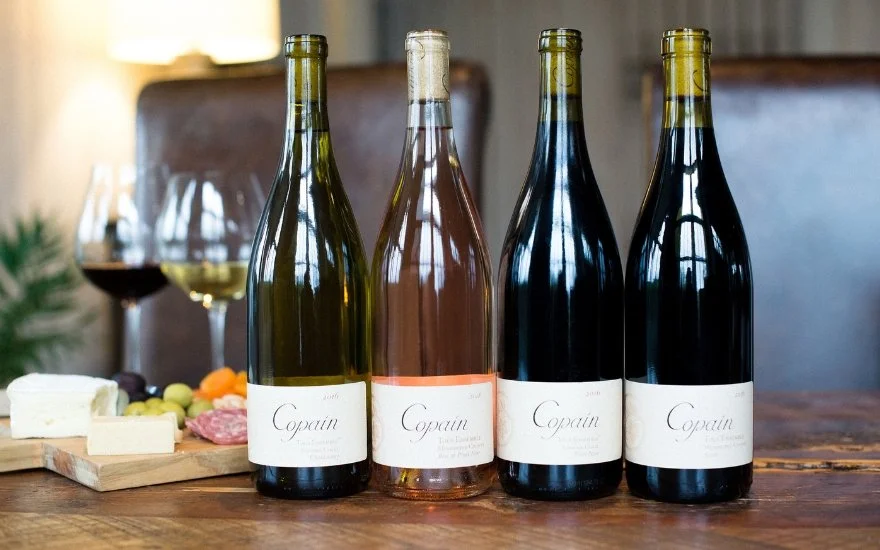
At the tasting room, guests are presented with thoughtfully selected flights, often organized by site or variety. The Tous Ensemble wines make a welcoming introduction, giving a sense of Copain’s style in a relaxed, approachable way. Les Voisins steps deeper into the site personality. The single-vineyard bottlings, such as Skycrest or Monument Tree, showcase the detailed story of each location.

Food pairings are designed to open up the wines’ finer qualities rather than compete with them. A slice of aged cheese, a citrus note from kumquat, or the sweetness of dried fig can shift the experience of each sip, revealing layers that might otherwise remain tucked away.

What is the visiting experience like?

Copain Wines The Three Drinkers Aidy Smith

Photo Credit: Copain Wines Official Site

Copain receives guests Wednesday through Monday, offering seated tastings with sweeping views of the valley below. The setting is relaxed but purposeful, with staff who understand the wines intimately and speak about them in plain, grounded language. A private tour deepens the picture, giving insight into how harvest decisions are made and why some wines are bottled individually while others are blended.

Children and dogs are welcome, and while food cannot be brought in, the curated tasting bites fit the style of the visit: calm, thoughtful, and quietly attentive.

Why does Copain matter in the California wine landscape?

Copain Wines The Three Drinkers Aidy Smith

Photo Credit: Copain Wines Official Site

Copain’s importance lies not in making a statement of rebellion but in presenting a different standard. At a time when many wineries pushed toward intensity, Copain chose refinement. It offered proof that California’s climate could produce wines with lift and nuance, built on precision rather than volume.

Today, Copain remains a reference point for cool-climate restraint in Northern California. The wines don’t need to impress with size. They engage with poise. For those wanting to explore the portfolio or plan a visit, appointments can be made at copainwines.com.

Cambria Estate Winery: Where California Wine Learned to Whisper

Cambria Estate Winery The Three Dirnkers Aidy Smith

There's a moment each afternoon at Cambria Estate when the entire vineyard seems to inhale. It happens around one o'clock, when the wind rushes in from the Pacific, 17 miles due west, carrying salt air and temperatures that drop like a theater curtain. The vines shiver slightly. The light changes. And if you're standing there among the rows, you understand immediately why this place makes the wines it does.

This is Santa Maria Valley, the largest transverse valley in North America, running east to west instead of the typical California north-south orientation. It's a geographic quirk that functions like nature's own air conditioning system, funneling ocean fog and coastal winds deep into the interior. Locals call it "refrigerated sunshine," which sounds whimsical until you realize grapes here get an average of 200 days to ripen, the longest hangtime in California.

What Makes Katherine's and Julia's Vineyards Distinctive?

When Jess Jackson and Barbara Banke purchased this property in 1988, they named all the Chardonnay blocks after their newborn daughter, Katherine. When Julia arrived a decade later, every Pinot Noir block carried her name. It was a declaration that this 1,600-acre estate would be measured in generations, not harvests.

Katherine’s Vineyard: Old-Vine Chardonnay

Cambria Estate Winery The Three Drinkers Aidy Smith

Photo Credit: Cambria Estate Winery Official Site

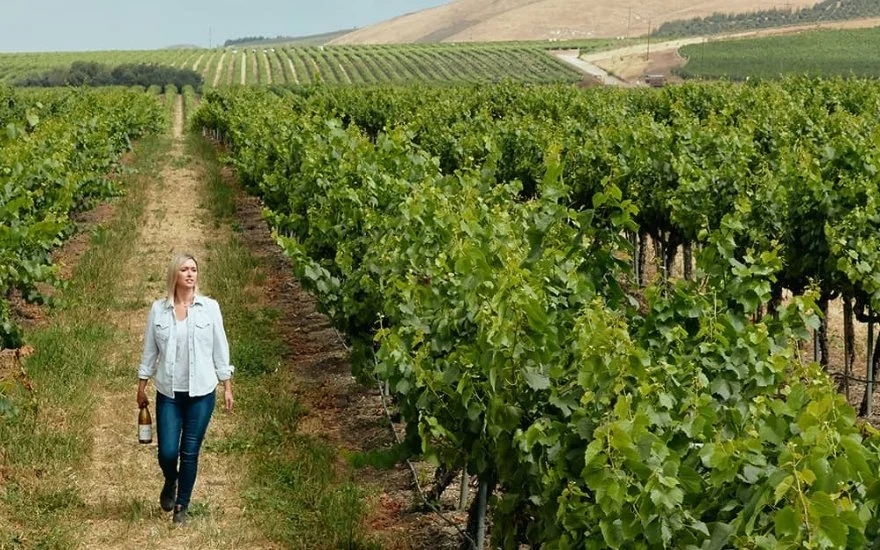
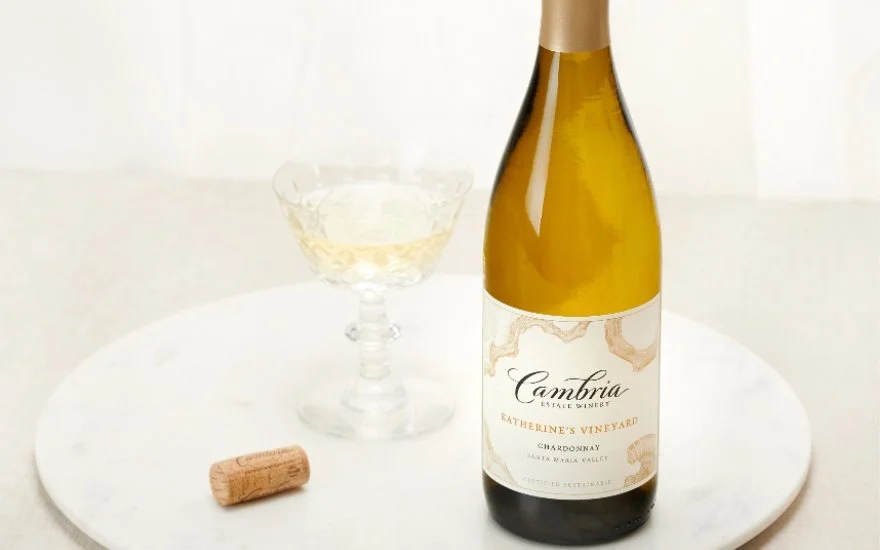
Walk through Katherine's Vineyard, and you'll find Clone 4 Chardonnay vines planted in 1971, their trunks thick and gnarled, still producing fruit with a focus and minerality that young vines simply cannot achieve. 

Julia’s Vineyard: The Soul of Pinot Noir

Cambria Estate Winery The Three Drinkers Aidy Smith

Photo Credit: Cambria Estate Winery Official Site

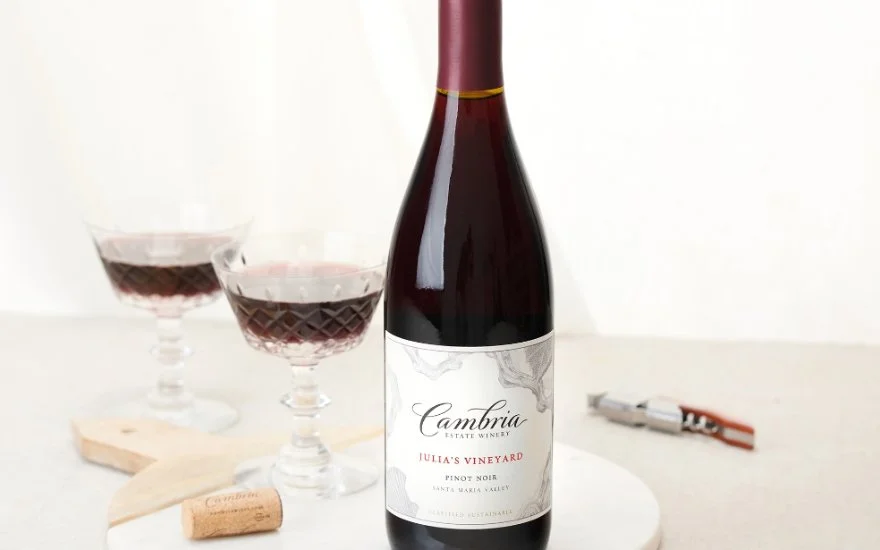
In Julia's Vineyard, Pommard Clone 4 Pinot Noir from 1974 anchors a seven-clone blend. These aren't just old vines. They're historically significant ones. Back in the early 1980s, before Cambria existed as a winery, Kendall-Jackson was sourcing fruit from this very bench to build its Vintner's Reserve Chardonnay program.

How Does Cambria Approach Winemaking?

Cambria Estate Winery The Three Drinkers Aidy Smith

Photo Credit: Cambria Estate Winery Official Site

Of the fruit grown across those 1,600 acres, only 20 to 30 percent ends up in a bottle with the Cambria label. It's the kind of selection process you'd expect from a Burgundian domaine, not a New World estate of this scale.

The Philosophy of Selectivity

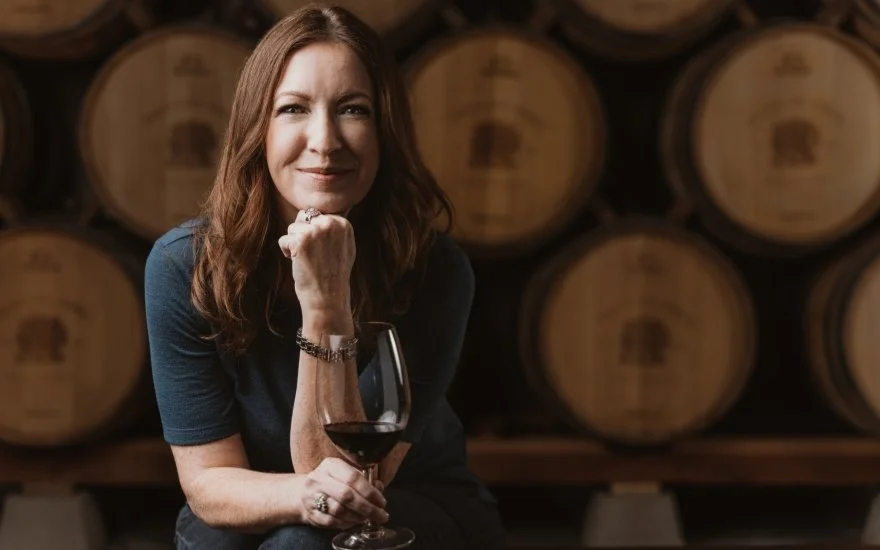
Jill Russell, the winemaker since 2017, operates with that selectivity as her guiding principle. A Cal Poly San Luis Obispo graduate who spent over a decade at respected Santa Barbara producers, including Stephen Ross, Paul Lato, and Tyler, Russell, understands that great wine is as much about what you leave out as what you put in.

Katherine’s Chardonnay: A Study in Freshness

Cambria Estate Winery The Three Drinkers Aidy Smith

Photo Credit: Cambria Estate Winery Official Site

Katherine's Vineyard Chardonnay leans heavily on those 48-year-old Clone 4 vines. About 20 to 40 percent of the wine is fermented in stainless steel with no malolactic fermentation, preserving lifted acidity. The rest is barrel fermented in neutral oak. The result tastes like morning fog and citrus peel, with a saline thread running through the center.

Julia’s Pinot Noir: Quiet Depth

Cambria Estate Winery The Three Drinkers Aidy Smith

Photo Credit: Cambria Estate Winery Official Site

Julia's Vineyard Pinot Noir takes a different path. All seven clones grown on the estate contribute, though Pommard Clone 4 remains the backbone. A seven-day cold soak extracts color and silky tannin before fermentation. Aging happens in French oak for eight to nine months, with about 25 to 30 percent new barrels. It's Pinot that privileges elegance over power, red fruit over black.

The Signature Collection: Raising the Bar

The Signature Collection pushes further. Barbara's 667 Pinot Noir, made entirely from Dijon Clone 667, gets cold-soaked and fermented in open-top new French oak barrels, hand-punched down twice daily, then aged for 13 to 14 months. It's sometimes called "the Cabernet lover's clone" because Clone 667 naturally grows thicker skins, yielding darker, more structured wine.

What Else Should You Know?

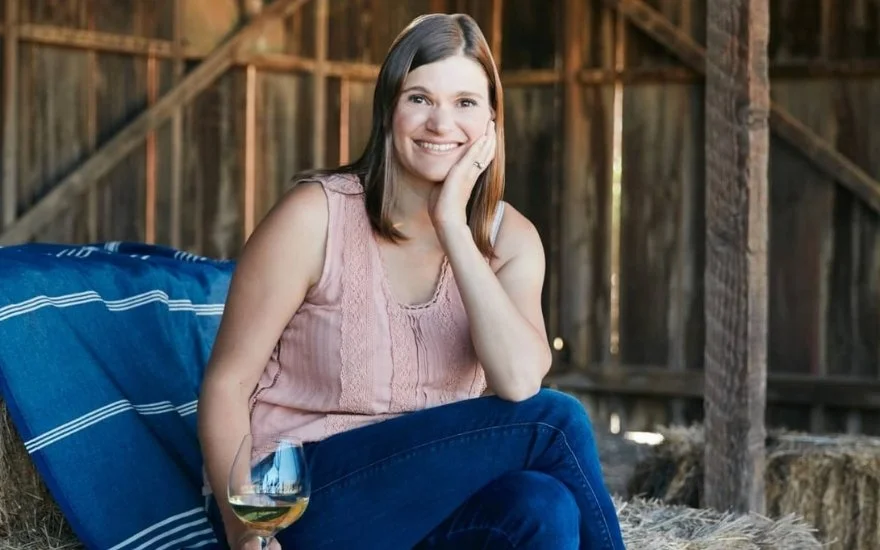
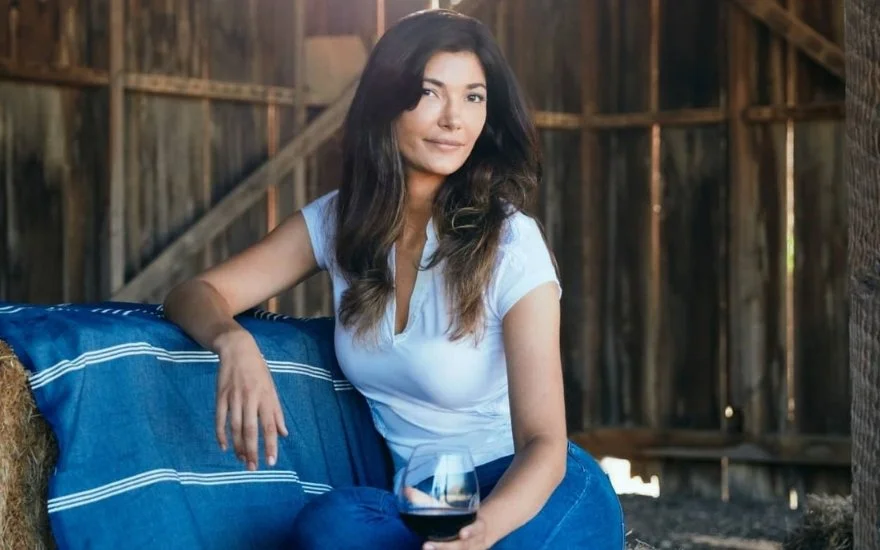
Cambria is genuinely female-led. Katherine and Julia Jackson carry the operational heart of the estate. Russell directs the winemaking. Denise Shurtleff, who pioneered techniques like open-top fermentation and in-barrel cold soak here, is now general manager.

That ethos extends beyond the property through the Stewards of the Land program, which annually recognizes two "Warrior Women" with $25,000 grants for grassroots environmental and community work.

Beyond the core Katherine's Chardonnay and Julia's Pinot, there's a Rosé of Pinot Noir made from blocks farmed specifically for that purpose, plus seven acres each of Viognier and Syrah under the Tepusquet Vineyard label.

A Final Word on Style and Spirit

Cambria Estate Winery The Three Drinkers Aidy Smith

Photo Credit: Cambria Estate Winery Official Site

The wines themselves occupy a middle ground that feels increasingly rare: presence without volume, flavor without weight, personality without ego. In an era when so much California wine chases points or trends, Cambria operates on a different clock, quietly refining a vision of coastal California wine that values continuity over novelty and place over personality.

Cambria Estate Winery is located at 5475 Chardonnay Lane in Santa Maria. Visits are by appointment. More information at cambriawines.com.